
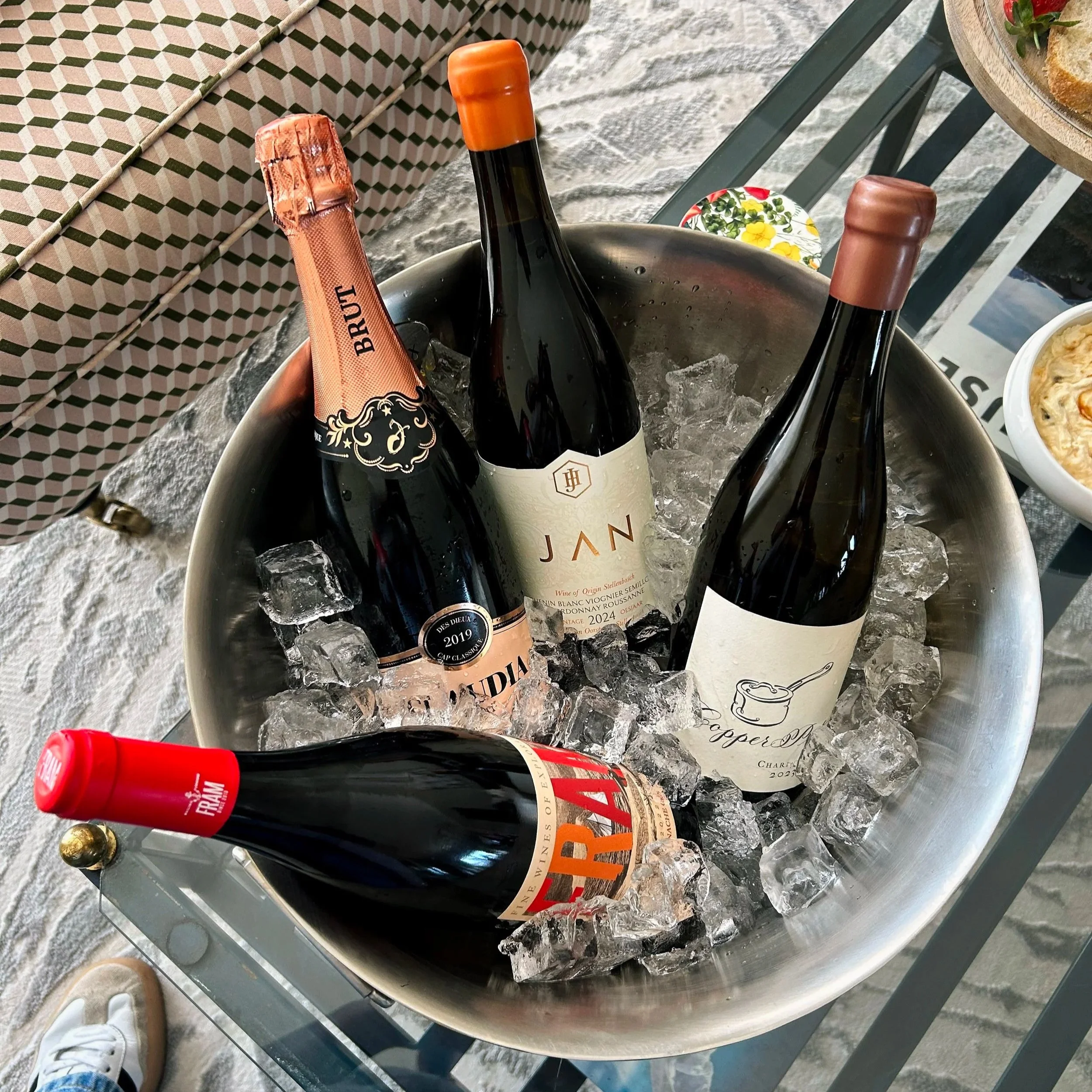
A house wine isn’t about having the best wine. It’s about having a wine. One that removes friction, sets the tone, and makes guests feel considered. For me, a house wine is part of the ritual of hosting. It signals ease. It invites people to settle in. And over time, it becomes part of how people remember gathering at your table.
WHAT A HOUSE WINE REALLY DOES
A good house wine creates familiarity. Guests don’t need to overthink their choice or ask what’s open. There’s something ready, poured generously, and returned to throughout the gathering.
It also opens the door to conversation:
“This is lovely, what is it?”
“I always associate this wine with your place.”
“Should we open another bottle?”
And just like that, the table relaxes.
HOW TO CHOOSE YOUR WINE
Your house wine should reflect how you host. Not trends. Not rules. I always look for wines that are easy drinking, widely appealing and versatile.
If you’re building your own rotation, here are three wines I return to often, each for a different reason:
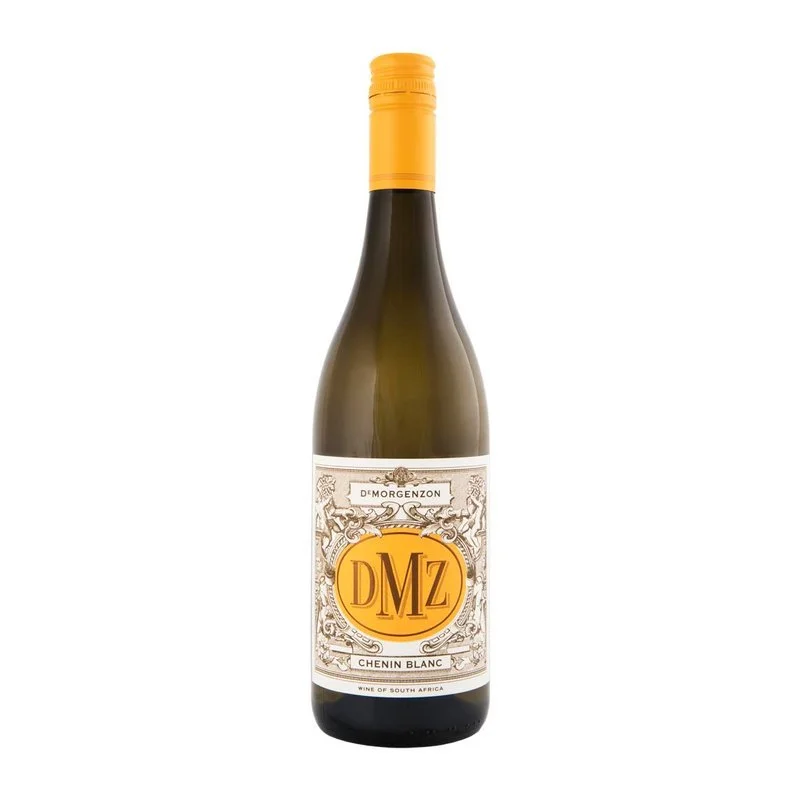
DMZ Chenin Blanc
Readily available, unfussy, and incredibly easy to drink. Chenin is a grape that rarely causes debate, which makes it perfect for hosting. It’s fresh, balanced, and quietly dependable, exactly what you want in a house wine.
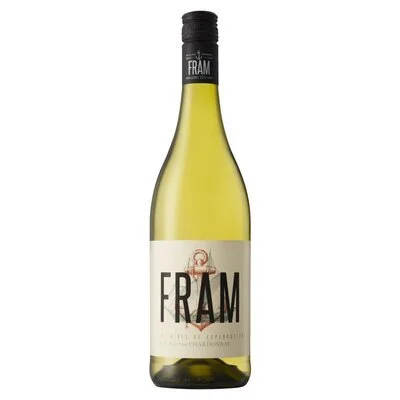
Fram Chardonnay
A little more bespoke and a great conversation starter. This unwooded Chardonnay is crisp and elegant without being heavy, making it ideal for guests who might shy away from more traditional styles. It feels considered, without feeling intimidating.
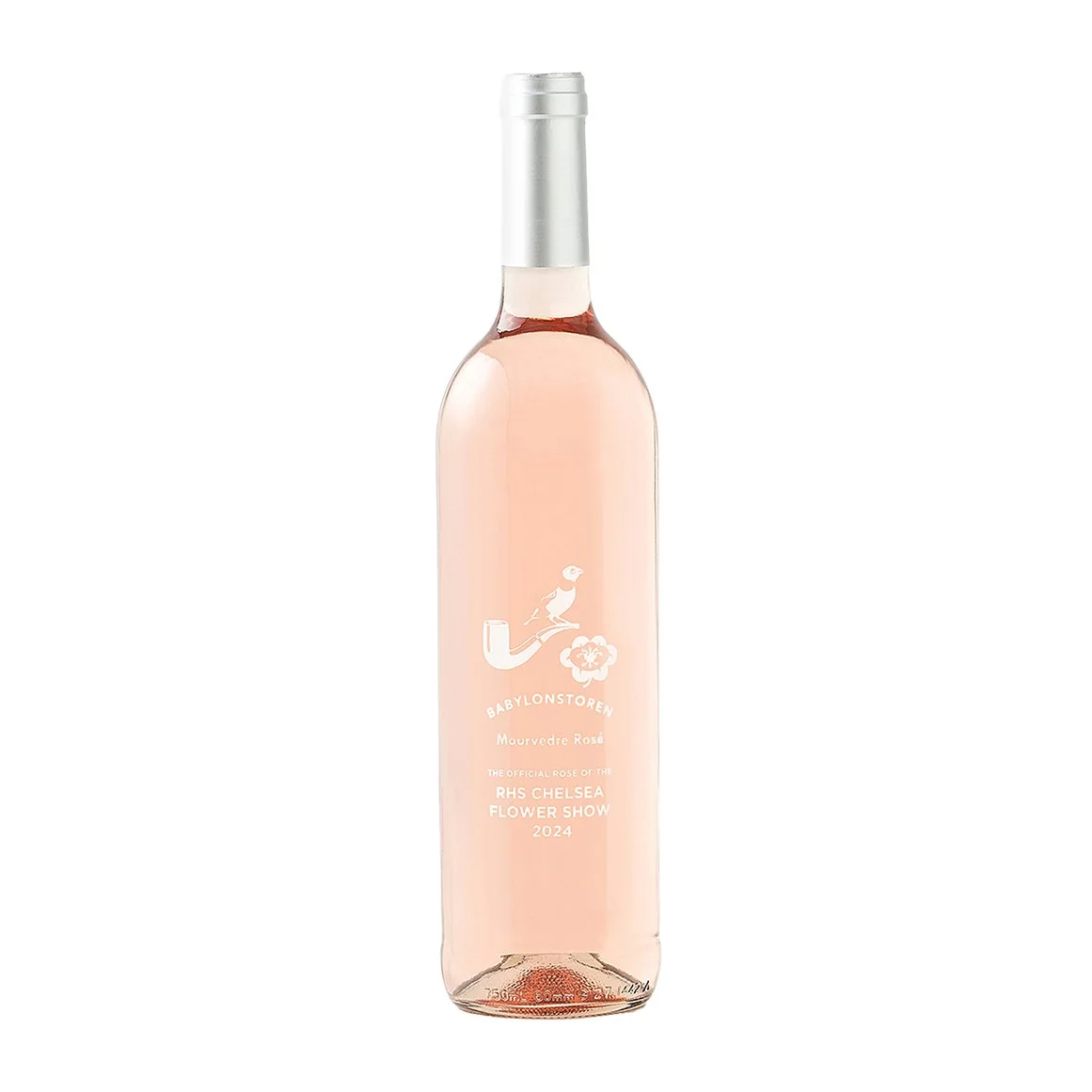
This one tastes like summer. Light, crisp, and refreshing the kind of wine that disappears quickly on warm afternoons and long lunches. It brings an ease and lightness to the table that encourages people to stay a little longer.
THE REAL HOSTING WIN
That doesn’t mean you can’t introduce something special as the gathering unfolds. A house wine sets the tone, it gives you a starting point. Once glasses are poured and conversations are flowing, you start to read the room. You learn what your guests are enjoying, what they’re lingering over, and then you can open something more considered if the moment calls for it.
Think of the house wine as the welcome, the easy first pour that lets the evening find its rhythm. Everything after that is simply responding to the mood at the table.
Love,
V